Being in a cooler climate, I have had to accept that there are things I just can’t grow. Or if I can grow it, it will be very slowly. I grow tomatoes but they will 4 or more months from planting to fruiting. I’ve never really had any luck with eggplants or capsicums. But I can grow leafy greens like a champion.
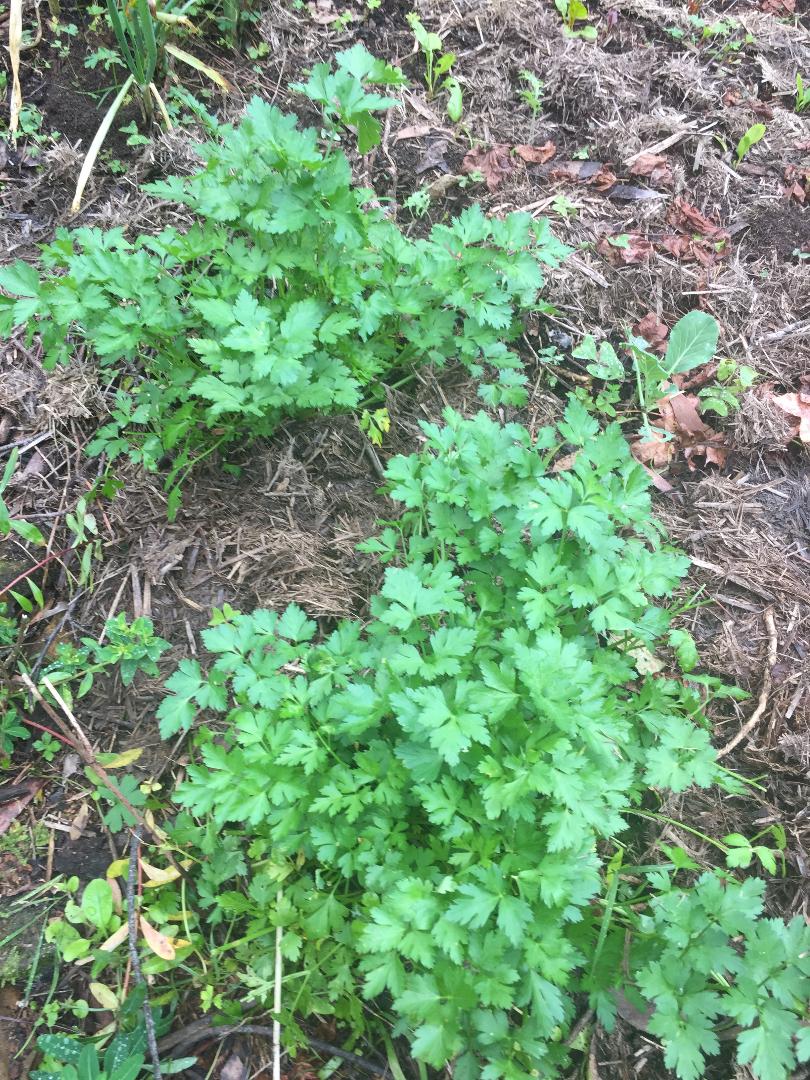

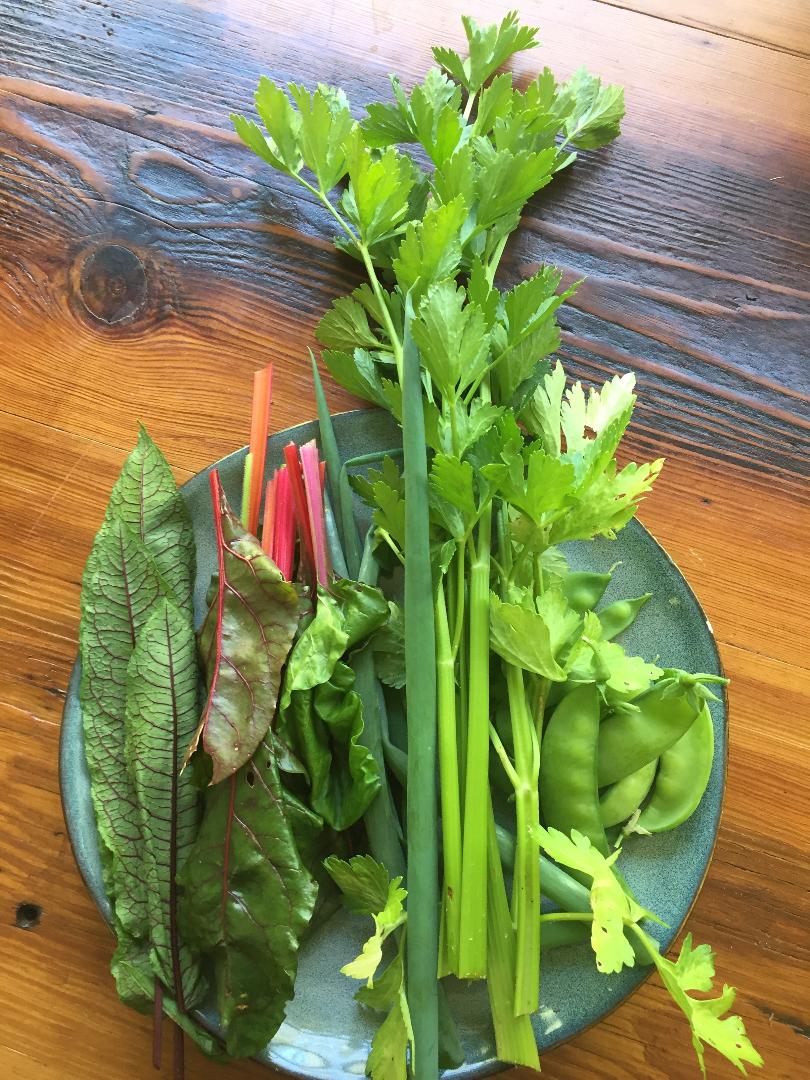
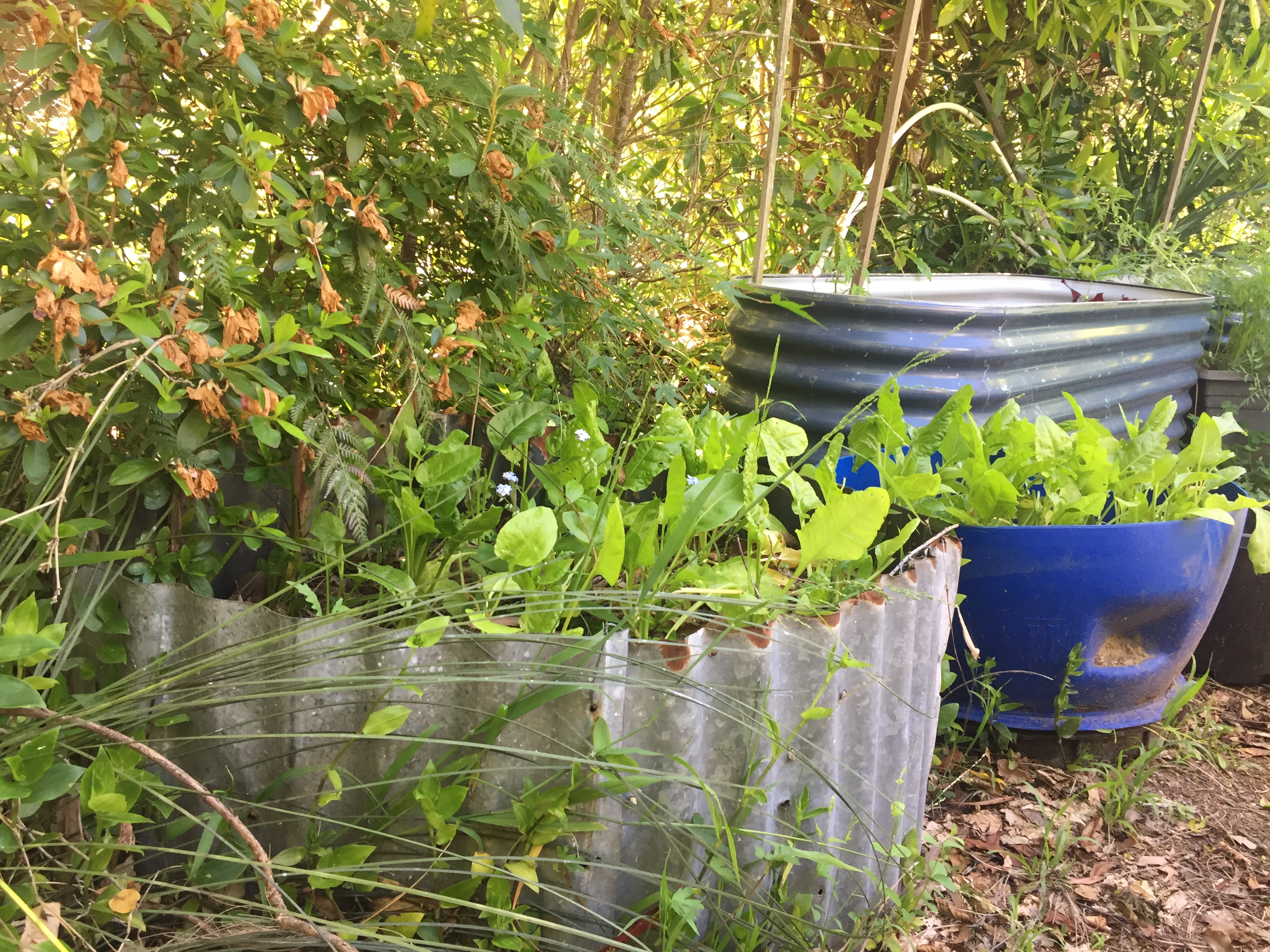
Here are some of my favourites:
Silverbeet
Everyone always bangs on about silverbeet being one of the easiest crops to grow, so I was super disheartened when my early attempts were total failures.
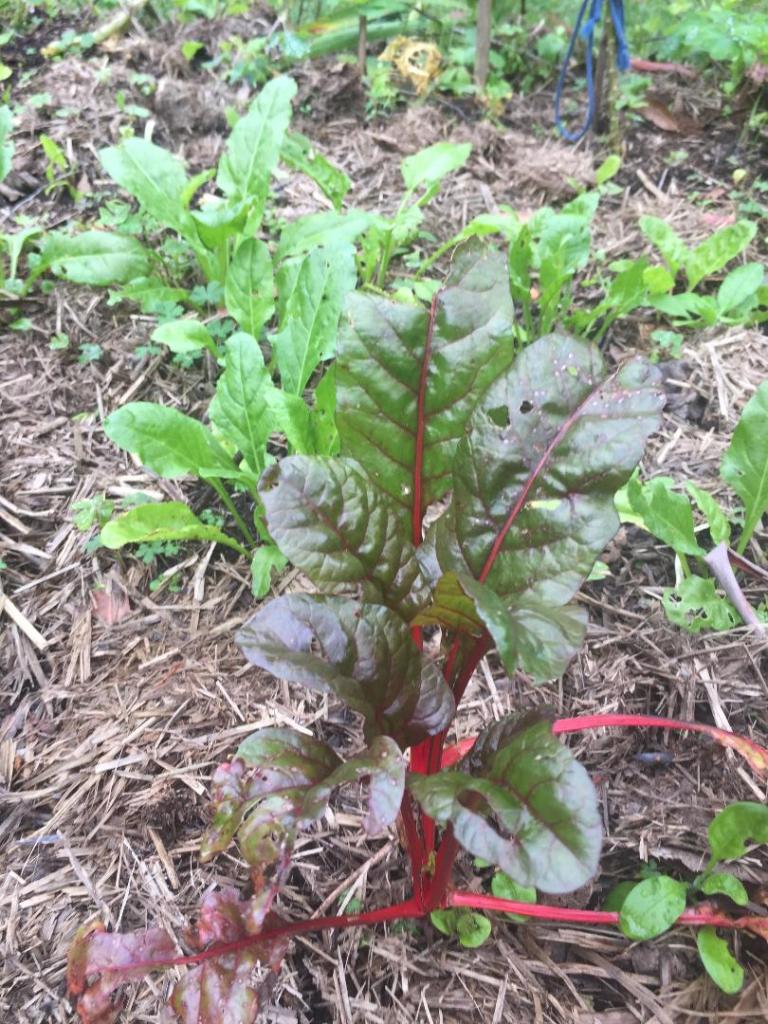
It turns out silverbeet is easy to grow, you just need decent soil to do it in. In the early days, my place was pure sand and it took a couple of years to improve it enough to grow crops like silverbeet (or anything really!).
(Keep an eye out for my upcoming post about improving your soil).
Now it is one of my staples. I prefer rainbow chard purely because it is colourful and that makes me happy. I grow it from seed, either in pots or straight into site but it also plants out well from store bought seedlings. Make sure you prepare the soil with compost and other organic matter and follow on with a liquid fertilizer every couple of weeks after they germinate. I always mulch after as well. You will need to protect from slugs and snails while establishing but once they harden off they will be pretty right.
Leafy greens are “hungry feeders” meaning they need good quality soil to grow well, and will pull a lot of nutrient from your soil as they grow. They also need water if it’s dry. They will tolerate a bit of shade too which is great and you can sow all year round except Winter.
Perpetual spinach
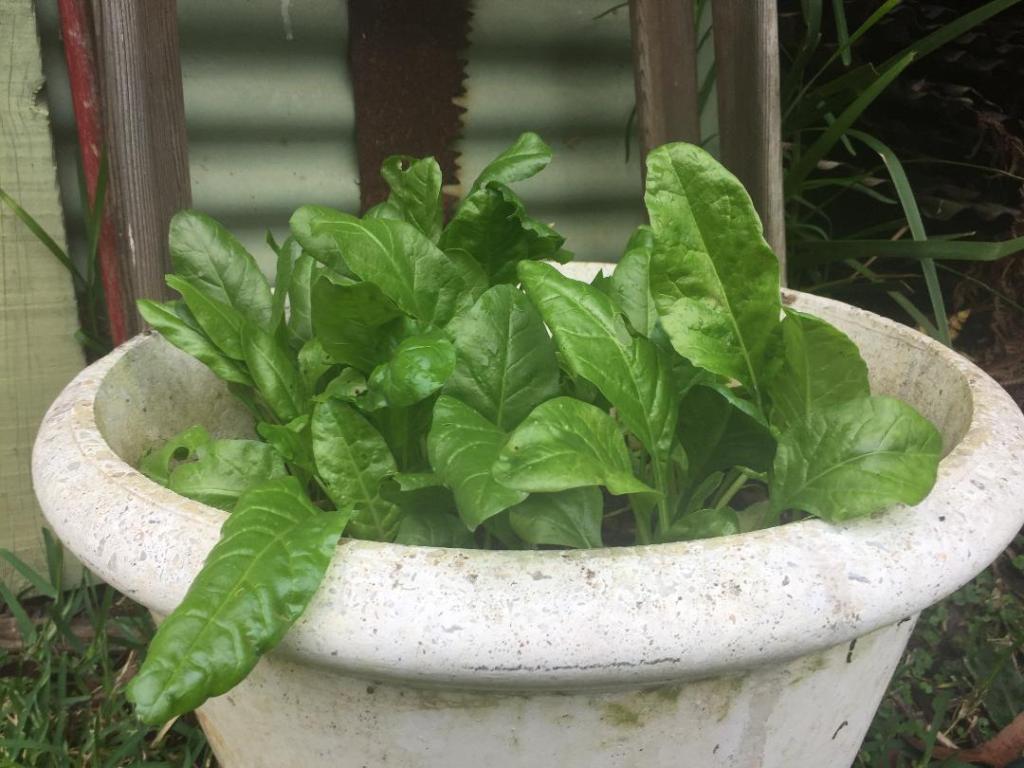
A genius plant that just keeps on giving. I have had some last for years (i.e. perpetual!). It’s pretty much the same routine as for silverbeet above. Feed the soil before planting and don’t let it dry out too much. It will give you yearlong greens that you can use in salads, stir fries, pasta dishes, honestly anywhere you want something green in your meal.
Again it will tolerate or even enjoy a fair bit of shade. Its great to grow in pots in shadier parts of the garden, freeing up space in your vegie beds for more sun-loving crops.
Kale
It took me a while to become a fan of Kale. It wasn’t until I learned how to cook it properly that it became a garden staple. Its a hardy long-lived perennial that will just keep on going.

I grow from seedlings purchased from the garden centre, although I have just had a whole bed of red russian kale pop up from a plant that self-seeded (yay!). Cabbage Moth Butterfly caterpillars are a problem for me until the plants get established. After that, they still get nibbled but handle it without too much loss. You can net or cloche if the caterpillars are a real problem until established.
Remove lower leaves for your dinner allowing the tips to continue to grow (forming kale “trees”).
Sorrel

Another great garden staple, sorrel has a tart lemony taste. I grow red-stemmed sorrel (again for the colourful joy). It dies down in Winter but will pop back up again in Spring and last through to early Winter again.
Again, it is fine with shade and is very hardy. I use in salads or as a filler in pesto.
Other greens to consider
- Cut and come again lettuce. Can grow all year round and will tolerate shade. Keep up the water or can become bitter and shoot to seed.
- Garlic Chives. Doesn’t die down in winter like onion chives. Is hardy and adds a lovely mild garlic flavour to stir fries, salads and pesto.
- Celery. I grow from seedlings. Lasts forever, you can just take a stem or two and it will keep on growing.
- Parsley. A brilliant herb. Easy to grow, can chuck it in anything. It is biennial meaning it will last a couple of years before going to seed and needing to be replaced.
- Borage. This self-seeds in my garden. It is most often grown for its edible flowers but you can also eat the leaves. The leaves are coarse so I use sparingly and chop it up very finely.
 My Little Eden